opengear
SECURE REMOTE ACCESS OF YOUR CRITICAL NETWORK RESOURCES
Managing IT infrastructure and maintaining devices at scale across multiple sites requires balancing scalability, efficiency, and security. Opengear creates the tools that enhance network resilience and simplify management. Since the launch of Smart Management Fabric™ (SMF), we’ve continued to enhance and introduce features to simplify connectivity, streamline setup with zero-touch provisioning, and help IT teams focus on strategic priorities.
SMF introduces dynamic routing-based IP access, powered by industry-standard technologies, simplifying network management and allowing IT teams to maintain robust, scalable management networks.
The Open Shortest Path First (OSPF) protocol, implemented in Opengear appliances, enables dynamic routing between the Lighthouse software solution and our Operations Manager (OM1200 and OM2200) and Console Manager (CM8100) appliances. This means scaling your network to 50+ sites no longer requires tedious manual adjustments. As your setup grows, Lighthouse adapts automatically, ensuring scalability without added complexity.
By enabling site-to-site connectivity, SMF enhances Opengear’s Smart Out of Band (OOB)™ solution to extend reliable access to IP endpoints across your network. From network engineers to system administrators and support staff, your entire IT team benefits from a resilient platform.
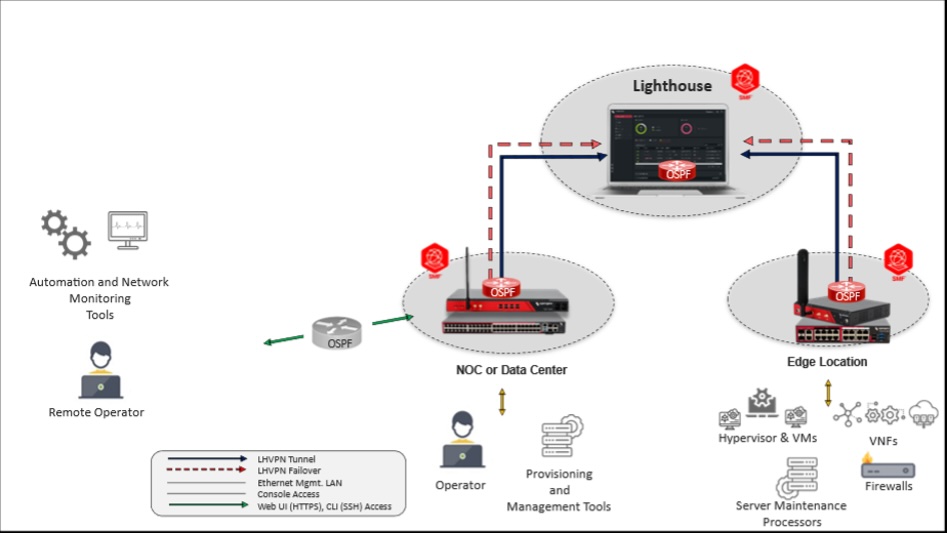
Figure 1: Smart Management Fabric (SMF) topology
The Smart Management Fabric (SMF) brings advanced functionality to Opengear’s OOB management network. By combining cutting-edge technologies, it ensures scalable, resilient, and dynamic connectivity.
SMF takes the OOB experience to the next level, making your IT environment more resilient and accessible for everyone — network engineers, system admins, and support teams alike. It securely handles credentials and provisioning while ensuring reliable, secure connections through dynamic IP routing.
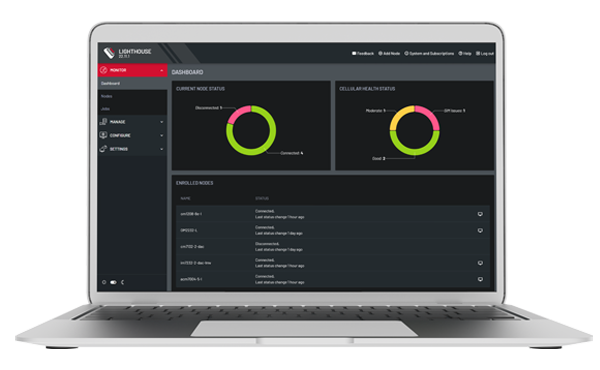
As Lighthouse automatically maps your network, it provides fast, secure access to all connected resources, simplifying the management of even the most complex IT environments.
An additional feature we recently introduced, Opengear’s Connected Resource Gateway (CRG) revolutionizes remote network access. As a Layer 3 networking application and gateway, CRG acts as an entry and exit point, connecting network management tools, users, and endpoints without additional software.
When pairing CRG with Lighthouse, accessing remote devices gets much simpler. One-click browser access connects you to critical network resources, such as web GUIs and firewalls.
Running as an HTTPS proxy over SMF, CRG creates a secure private network, with no additional connections required. Lighthouse automatically maps routes to your management networks, ensuring smooth and secure access.
For larger organizations or those working with third-party vendors, CRG offers greater control. It allows you to define who can access and manage specific resources, keeping sensitive areas secure. While SMF provides robust IP routing, CRG adds another layer by enabling per-user access control, making it ideal for environments that require restricted visibility and tight security.
With CRG, your IT teams — system administrators, cybersecurity professionals, and support teams — gain reliable, secure, and straightforward connectivity across your infrastructure, giving users control and the ability to manage network resources easily and with greater efficiency.
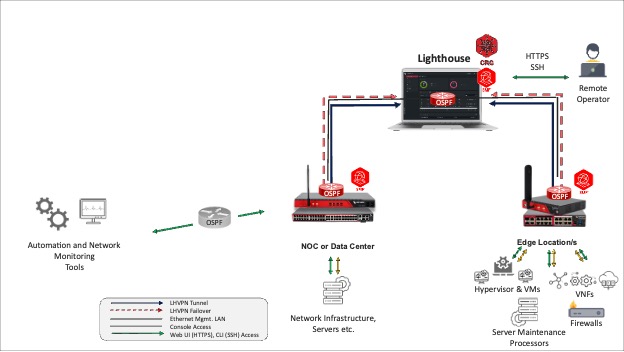
Figure 2: Topology for Smart Management Fabric (SMF) integrated with Connected Resource Gateway
CRG simplifies and secures access management, streamlining connectivity and enhancing security:
CRG is available with Lighthouse Enterprise Automation Edition + OM1200/2200 and CM8100.
With CRG and Lighthouse, access network resources simply by opening a browser and clicking on the connected devices — no additional software required. It works seamlessly across any device or operating system.
Security is built in, with role-based access control (RBAC) and tagging to ensure only authorized users see the resources they need. And because there’s no client software to manage or update, you can spend less time on maintenance and more time optimizing network performance. CRG makes access simpler, more secure, and hassle-free, so your IT teams can focus on driving efficiency, not troubleshooting.
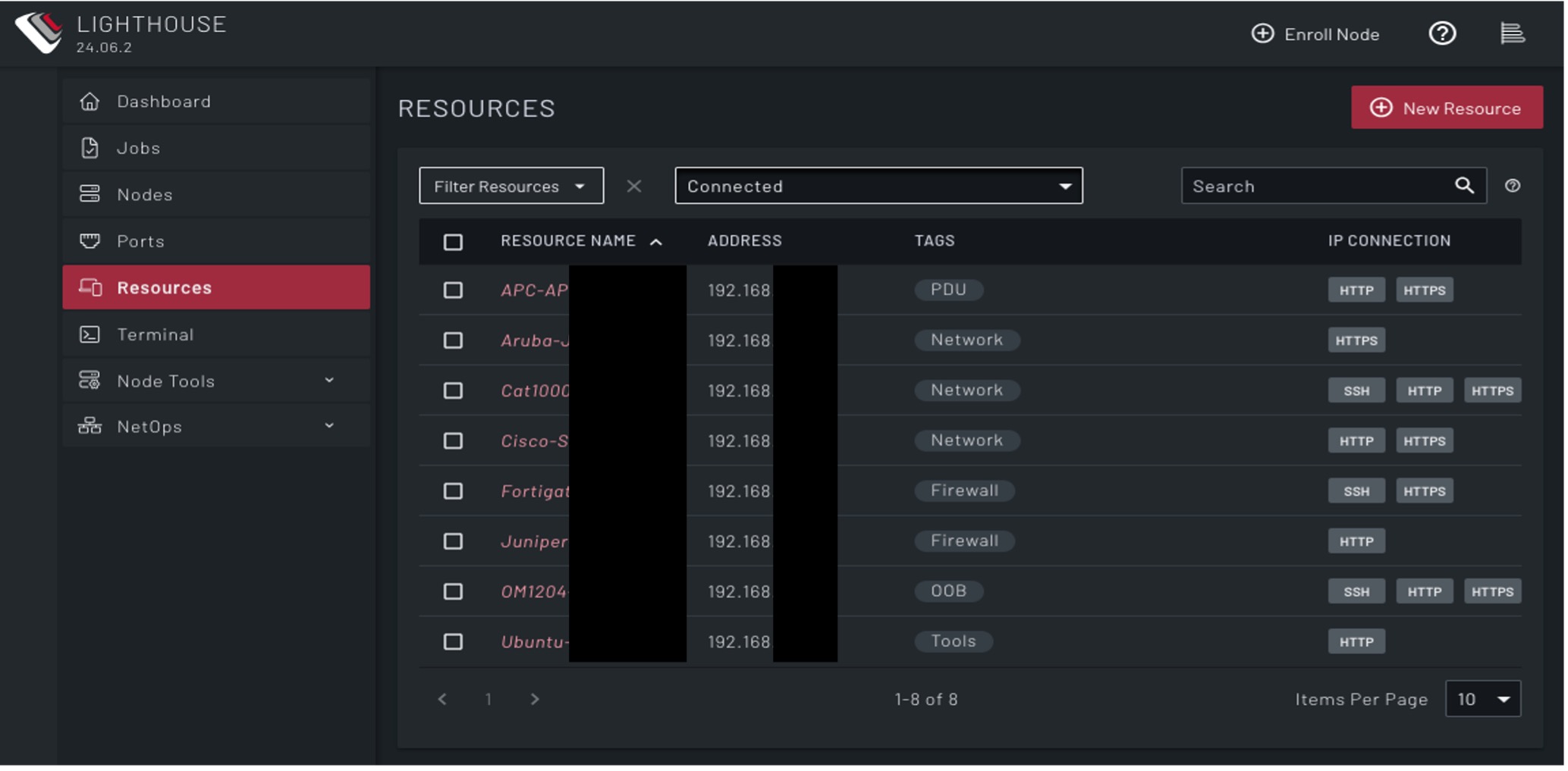
Figure 3: Resource menu with Opengear’s Connected Resource Gateway (CRG)
Manual deployments are a thing of the past. Opengear’s new Lighthouse Service Portal (LSP) enables fast, error-free setup without the repetition of tedious tasks.
LSP is a cloud-based service that works seamlessly with Lighthouse — whether hosted on-premises or in a private cloud. Accessible through Opengear’s Customer Portal, it simplifies the initial setup of Opengear appliances. Customers can also leverage configuration management tools and API integrations to push configurations through the Lighthouse SMF and CRG. This means provisioning Opengear appliances and connected network resources is faster and easier than ever.
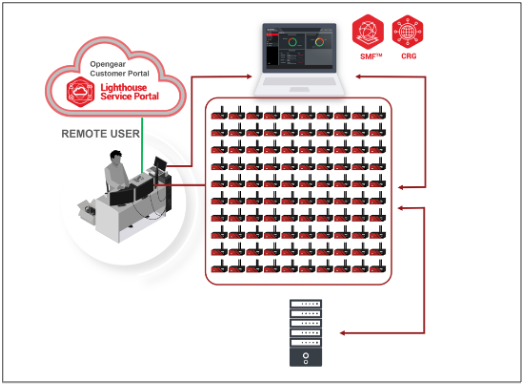
Figure 4: Zero Touch Provisioning with Opengear’s Smart Out of Band solution
LSP’s zero-touch provisioning removes the need for in-house provisioning teams or third-party engineers. You can now enroll and configure devices at scale — all from your office. The goal is simple: to make deployment seamless. LSP automates the onboarding of new Opengear appliances, allowing you to quickly push configurations through the Lighthouse Smart Management Fabric and Connected Resource Gateway. This ensures that both Opengear appliances and your connected network resources are fully provisioned with minimal effort.
LSP enables effortless scaling, deploying appliances quickly, easily, and securely across sites without administrative overhead. It also ensures sensitive data and eliminates risks associated with USB drives and deployment errors.
As we continue to innovate, Opengear will continue to introduce software enhancements and an advanced Lighthouse tier to further simplify infrastructure management.
Existing customers can learn more via the Opengear Customer Portal or by contacting their sales rep. New users can quickly get started by downloading Lighthouse and discovering its powerful capabilities.
 IT infrastructure is the backbone of an enterprise, providing the necessary foundation to achieve organizational goals. Whether it’s traditional, hyperconverged or in the cloud, network engineers require always-on access to all of these applications and components to ensure business continuity. That’s why organizations are continuing to understand the importance of investing in an overall solution that enables network resilience.
More than 75% of Fortune 500 organizations trust their network to Opengear on the First Day, Worst Day and Every Day – for good reason. Could it be our customer-led innovation? Purpose-built design? Or maybe it’s our future-focused platform. Whatever the reasoning, for more than two decades we’ve established ourselves as the market leader.
Networks need Opengear – and here’s why.
Your networks, organizational goals and customer expectations are constantly evolving – well, so are our solutions. To meet your current demands and anticipate future ones, we’ve got some new additions to the Network Resilience Platform.
The starting point for navigating your Out of Band network and more, Lighthouse Software allows network engineers to manage their device effortlessly. Unlike error-prone, manual methods that can result with challenges when it comes to data integrity and efficiency, Lighthouse provides a clear view across your network.
Enabling centralized provisioning, delivering one source of truth and providing the ability to scale, organizations have unparalleled visibility of connected resources. Our award-winning Lighthouse software manages all your console servers and provides access to your console ports via connected appliances at each location. As an API-driven platform, it gives secure access to remote networks regardless of how they’re connected or how a user interacts with the system.
In combination with console servers with automation capabilities, Lighthouse can push and manage Docker containers to each remote location to provide additional functionality and automation.
You can even leverage an added security layer and permission controls with integrated authentication via SAML (Okta, OneLogin, Auth0 and Azure Active Directory and Authentication, Authorization, and Accounting (AAA) protocols (TACACS, RADIUS and LDAP).
When deployed across a distributed enterprise of data centers and edge locations, Lighthouse is the control center of a comprehensive Network Resilience Platform, independent of the production network.
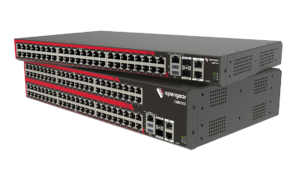
The CM8100 is the newest addition to our Network Resilience platform. Network engineers with dense IT environments need a device that ensures efficient management of their complex environments. The CM8100 10G brings simplified integration, reduced overhead, and easy cabling. Without it? Network engineers would have to roll a truck or use some type of Top of Rack switch.
Unlike traditional console servers that provide limited security and connectivity, CM8100 10G can manage up to 96 serial devices and connect directly to high-speed networks. It also simplifies configuration with au-port discovery and reduces cable clutter with selectable serial ports.
Features and benefits of the CM8100 include:
If you’re still using End of Life hardware, you’re putting your enterprise at risk. Legacy solutions and applications are a reality for most. For any company investing in cloud initiatives, end-of-life (EOL) becomes even more complex.
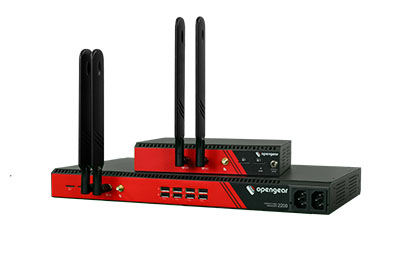
The OM1200 and OM2200 allows network engineers to leverage advanced automation capabilities and Smart Out of Band in one device. Configured specifically for edge locations, the OM1200 supports emerging requirements while the OM2200 is purpose-built for the data center.
Both:
When hardware or software reaches EOL, there’s no more support, no more updates, no bug fixes – nothing. Without these, devices become vulnerable to hackers and unreliable. Regulatory scrutiny is on the rise, so compliance with regulatory requirements isn’t an option. GDPR, PCI, SOX and HIPPA are just a few examples of standards requiring that all technologies being deployed must be supported.
Compliance risks on EOL systems are similar to cybersecurity risks. By failing compliance requirements with legacy systems, a business can face large fines, specifically in the event of a data breach.
The costs of maintaining and bug-fixing any post-EOL software is expensive. Patching a device can often exceed what it would cost to replace with a new device.
Chances are, if you’re still running legacy apps or old versions of Windows, then you’ve got some aging servers and workstations hanging around the office too… adding to your risk because these likely out-of-warranty devices are prone to breaking down. Consider that downtime alone could be more costly than an overdue upgrade.
To reduce all the risks associated with EOL devices – consider upgrading. Opengear’s Network Resilience Platform is the leading solution used by engineers. Our award-winning solutions have the advanced capabilities needed on the First Day, Worst Day and Every Day. Leverage the latest Smart Out of Band and automation technologies for truly resilient networks.
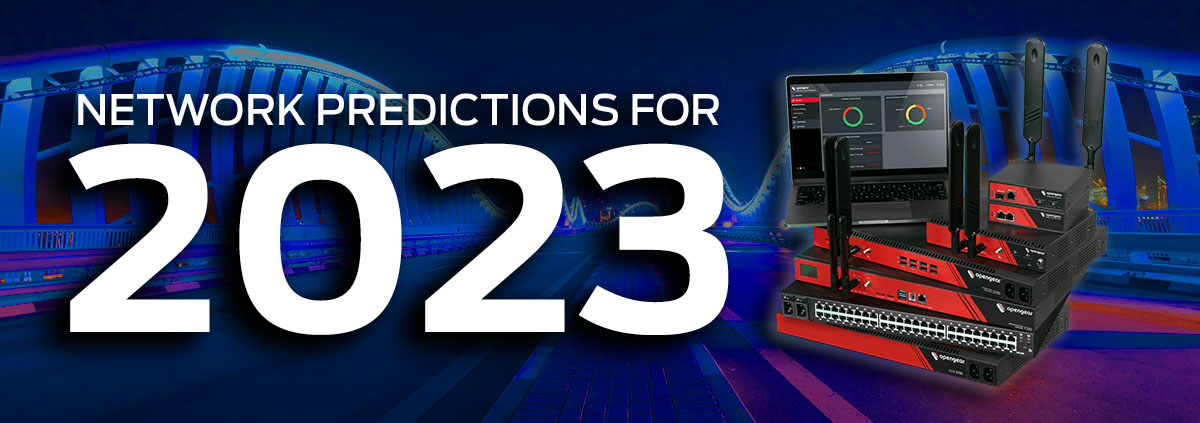
As we kick off 2023, enterprise networking continues to evolve. To remain competitive, exceed customer demands and meet evolving organizational goals, businesses are leveraging the latest technologies. Here’s a look at some trends to keep an eye out for in the new year.
According to a recent Opengear survey, more than 85% of network engineers have increased their investment in automation over the past two years. What really is automation though? It’s a sweeping term that deals with containerization, orchestration, the works. For many teams, they don’t choose automation, automation chooses them. It’s no longer a nice to have, it’s a necessity, specifically for organizations expanding their edge computing strategies and dealing with latency, large volumes of data and growing network requirements.
“The majority of enterprise networks aren’t prepared to fully embrace all the advanced capabilities of automation yet. As the complexity of these environments grow, million dollar mistakes can happen. This has made it even more critical to have resilient, reliable access to infrastructure, for when a network event does occur. Organizations need to be able to get back online quickly with secure, remote access to their connected resources. They need the ability to be there, without actually having to be.”
~ Daniel Cecalacean, Senior Product Manager, Software
Enabling secure, reliable deployments on Day One, configuration changes and verifying proper network operations are just a few capabilities network engineers will be able to utilize automation for. However, the increased complexity of these highly distributed environments has made integrating automation into daily network operations imperative.
Take the edge for example, all that information needs to be collected, processed and analyzed. To do this in a realistic, reasonable amount of time, network engineers can’t complete this manually. That’s where adaptive Automated Intelligence (AI) and Machine Learning (ML) come in – surprisingly though, only 12% of organizations are using network automation tools for to complete these daily tasks, we call these, the AI achievers.[1] To operate modern networks efficiently, organizations need to leverage AIOps and automation, a trend we’ve been seeing for a while now. Infrastructure needs to be ready for automation because engineers need visibility, confidence and the ability to intervene, correct, or restore when something doesn’t go as planned.
The cloud’s nothing new, for the past two decades it’s been proclaimed as the technology to watch and rightfully so. This year alone, public cloud spending is projected to reach $600 billion.[2] It’s helping power the hybrid workforce, support sustainability goals and make AI goals more accessible. It’s scalable and flexible but there’s a catch, it still requires hardware.
Essentially, the cloud is just another data center, a massive one, with racks, hardware and virtualization, so there’s still challenges when it comes to managing infrastructure. So even way up in the cloud, network engineers still need remote access. Yes, the cloud is secure with firewalls and open VPN connections, but everything is still vulnerable, especially with the amount of people trying to access it. Organizations with a secure remote management solution have always-on access because they can remote in over cellular without having to go on-site.
Organizations will continue to roll out the latest generation of WiFi. However, with more spectrum available and more providers offering services there will be an increase in private 5G deployments. Deployed correctly, it has the potential to provide significant business benefits.
For organizations relying on connected operations, essentially everyone out there, it enables applications that need high throughput and low latency. All of this leads to more reliability and efficiency when it comes data collection and analysis which in turn, helps improve the decision-making process. In most cases, 5G deployments require a significant network redesign and investment. This opens up opportunities to add efficiencies and enable cost savings through optimizations. Network engineers can do more, with less.
Driving operational efficiency is usually a core goal for digital transformation initiatives and digital twins will be a key strategy in doing this. Since most organizations have multi-vendor networks, it can be challenging to manage – while designing, testing and provisioning updates depends on a manual, usually error prone process. Digital twin technology helps to provide visibility to observe an environment, allowing network operations teams to have an identical virtual network, replicating the organizations. It’s proxy of current state of the environment it’s representing.
Investing in digital twin technology can help improve visibility, enable automation and plan for changes. Helping to convey potential vulnerabilities, highlight inventory and show software version management, it’s extremely feasible to do in comparison to traditional lab network testing where engineers are actually recreating a network, keeping it updated in a lab and running tests. Providing comprehensive visibility, it allows organizations transition from manual to automation based.
Future-thinking network teams are constantly looking to deploy new strategies and for those, a digital twin highlights system complexities, providing situational awareness – but they’re not a complete answer to network management.
However, just one challenge of deploying these digital initiatives is the complexity of many existing enterprise networks – this is where resilience is key. IT infrastructure is the backbone of an enterprise, ensuring operational efficiency. Opengear’s comprehensive platform adds a layer of intelligence to your infrastructure, ensuring the highest levels of business continuity through secure, independent management of connected resources.
You may be thinking, “….but I have redundancy built-in to my operations.” Well, that’s just a piece of the solution needed for maximum uptime. Data center reliability does rely heavily on back-up generators, on-hand replacement hardware and secondary network connections, but what about edge locations?
“The traditional networking engineering culture is dramatically changing due to things like automation, cloud migration and AI. We’ll continue to see that push away from the ‘manual processes’ of traditional network engineering. Vendors and integrators are offering more and more applications and services to enable organizations the ability to purchase or subscribe to automation as a service. Organizations can buy ‘easy buttons’ to automate rather than growing their own. This isn’t new, but the adoption rate is blowing up. ”
~ Matthew Witmer, Senior Principal Engineer, Solutions Engineering
The Network Resilience Platform provides presence and proximity to your connected resources. Leveraging Smart Out of Band, Failover to Cellular and automation, network engineers have secure, remote access to their connected resources via a separate management plane. We’re there for you on the First Day, Worst Day and Every Day.
Start the new year off right by ensuring network resilience for your organization. Learn how now.
[1] https://www.business-standard.com/article/technology/only-12-companies-are-utilising-ai-to-outpace-their-rivals-report-122061400475_1.html
[2] https://www.fiercetelecom.com/cloud/gartner
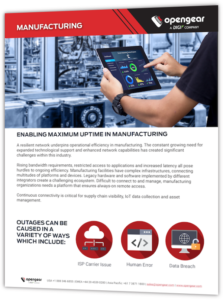
The 4th industrial revolution and the pandemic are just two factors that have drastically changed the manufacturing landscape. Increased competition, shrinking margin sizes, and evolving customer demands have forced manufacturers to evaluate their operational efficiency, a critical necessity as they embark on digital transformation. The foundation for ensuring these ongoing efforts are successful is a resilient network. The global industrial automation market is projected to be worth $200 billion. These technological advancements have created many improvements in a variety of sectors, with manufacturing being one that has greatly benefitted. This is mainly because automation allows manufacturers’ to gain greater control of their operations by increasing production capacity, reducing costs by streamlining their production processes, and more. What does automation in manufacturing actually refer to though? It’s the use of technologies, which could be equipment and software, to automate production processes. Manufacturing processes are very diverse, which means there are many different types of automation that can be implemented for each aspect of production.
The manufacturing process is highly diverse, so there’s no surprise that there are many different types of automation to cater to each component.
Fixed Automation
Also known as hard automation, fixed automation is generally a system where manufacturing automation is set to produce a single product within individual machines. It’s usually used for producing large quantities and has a high barrier of entry. Most times, it involves a set of repetitive or fixed sequences, as the name would imply, like the assembly or processing of a product. It provides automatic control equipment for greater flexibility in making product design changes.
Examples of fixed automation include:
Flexible Automation
Flexible automation allows systems to respond to production changes quickly. To run personnel programs computerized systems can control machines or they can use Human Machine Interfaces (HMIs). Flexible Automation is the ability for a robot or system to be quickly and easily re-tasked to change product design for both low and high-mix manufacturing. When properly utilized, a flexible automation cell can improve efficiency by evolving with your process and demand, reducing and fixing production costs, improving quality, and eliminating health and safety issues.
Examples of flexible automation include:
Benefits Of Automation In Manufacturing Automation in manufacturing has become a necessity. Requiring little to no human interaction to operate, automated systems streamline the assembly, processing, inspection, and handling of materials. Distributed factories, the lack of on-site staff and a variety of technology stacks have increased the need to automate processes.
Leveraging the benefits that it offers will give you a significant competitive advantage. Some of these benefits include:
Manufacturing organizations are optimizing their processes, which begins with implementing new technologies and applications. However, as these are added, a larger strain is placed on the network, increasing the chance of an outage. The Opengear Network Resilience Platform is based on the presence and proximity of a Smart OOB console server at every IT location, centrally orchestrated through Lighthouse management software. The Network Resilience Platform provides secure remote access to your critical network devices through a separate management plane, with the ability to automate processes, such as securely deploying and provisioning equipment and accessing Remote IP devices at any edge location. This platform is the Network Engineer’s Network. Secure remote access, via physical hardware at each location, providing an always-available independent network open only to the core network team; to be used on Day One, for everyday management, and during production network events. Opengear’s Smart Out of Band technology, plus the use of open architecture automation tools (Docker support, Python runtime environment), provides secure access to console ports while also creating a robust management plane.
As more organizations deploy IoT, mobility, analytics and cloud solutions, the network becomes even-more critical to digital transformation. Employees, engineers and customers all rely on access to a resilient, always-on network for many reasons. Any disruption can cripple efficiency and damage an organization’s reputation without a proper out-of-band solution in place.
This is why networks are so critical to digital ambitions with serious consequences when they fall short. In organizations that fail to put networks at the core of digital transformation, network engineers and Chief Information Officers (CIOs) alike agree cyber-security risks will impact them more than anyone else. In fact, Opengear research found that over half of network engineers and CIOs agree that cyber-security was among their biggest, growing threats. This lack of network prioritization is an urgent problem that enterprises must quickly address. It’s central to cyber security and its neglect will have businesses face escalating costs and greater downtime.
Cyber-attacks and breaches are on the rise. The Covid-19 pandemic and the implementation of remote working sparked a 358% worldwide rise in malware and a 435% increase in ransomware in 2020. Malicious actors across the globe are looking for ways to exploit vulnerable functionalities in software and networks. What’s concerning is that weaknesses have been discovered in even commonly used applications such as SharePoint and OneDrive.
This rising trend is prompting organizations to take numerous steps to protect their remote and hybrid workforces. This has included the management of ongoing upgrades to legacy systems, despite many encountering a variety of challenges in doing so, such as potential downtime and increased costs. They also have to ensure the necessary in-house skills are in place.
The key to battling increased cyber threats and moving networks up the priority list, is the collaboration of network engineers and CIOs to ensure investment is targeted effectively. Seven out of ten (70%) network engineers say organizations should prioritize security when it comes to digital transformation of networking.
This consensus on key networking and IT trends helps drive the identification of the right technology solution to enhance the organization’s cyber security posture. While CIOs know their organization’s challenges in developing their networks, it is network engineers who are best-placed to suggest the right technologies.
Ever since the start of the pandemic, cyber-security concerns have skyrocketed, partly driven by cyber-criminals increasing the sophistication of their attack methods and the move to hybrid and remote working practices. But at the same time, more highly dispersed workforces have created pressure for digital transformation to gather pace. This cannot happen without the network playing a crucial role.
It’s now pivotal for network engineers and CIOs to get their heads together and invest more in security, ensuring it is woven more closely into the fabric of their networks and digital transformation strategies. This will empower organizations to advance along their digital transformation roadmaps and help protect their networks from malicious actors.
Find out more about the role of networks in digital transformation by viewing the full research commentary.
Maximum uptime, always-on access, along with enterprise-grade security, are the standards of all Opengear devices in the Network Resilience Platform. This includes our best-in class, award-winning NetOps Console Servers.
When it comes to your network, the most critical component of your infrastructure, you don’t want an alternative, you want the OG.
You’re network engineers, so we don’t have to explain the countless names you can call a console server. Instead, let’s talk about capabilities, because that’s what you really want to know about at 3 AM when you have an issue to resolve. Are you going to be able to remediate a disruption from your home? Or are you getting connectivity on Day One, when you’re sending equipment to an unmanned location?
For almost two decades, the majority of Fortune 500s have trusted their networks to the market leader. Our solutions are purpose-built with input from hundreds of network engineers, like yourself, and future-focused, to meet all your evolving needs.
We’re known as the Smart Out-of-Band leader. Our solutions provide separate access to the production network, giving you the ability to remotely monitor and manage all devices so that an outage won’t affect primary operations. Ensuring continuity and uptime using automated intelligence, Smart Out-of-Band paired with Failover to Cellular™ enables network resilience by providing always-on access. Lighthouse Enterprise gives full network visibility to diagnose and remediate the issue if a disruption occurs. This gives you a complete view of your network through a single pane of glass.
Let’s talk about how our Netops Console servers, OM1200 and OM2200 Operations Manager, are purpose-built to meet your current needs and anticipate future ones.
Our NetOps Console servers are the first of their kind. Bringing Smart Out-of-Band and NetOps together in one appliance, they enable limitless capabilities for all of your environments. By providing a separate and secure management plane, these appliances exceed the capabilities needed to support emerging network requirements.
You may have heard some false claims by our competitors, so today, we’re going to set the record straight, although our solutions speak for themselves.
There’s a reason Opengear’s award-winning products, worldwide reputation and list of customers are growing. Today, we’ll discuss a few reasons why our NetOps Console Servers are the gold standard.
To start, a great feature of these appliances is that they’re flexible and cost effective – you pay for what you need. We understand that requirements for every network admin are different.
Unlike some of our competitors, who add unnecessary features as defaults and charge for them, at Opengear, you’re only paying for what you need. The best part is, if you don’t need NetOps right away, it can easily be added on as an upgrade later, like with Secure Provisioning. We’re ready when you are. Ensuring plenty of RAM and storage space, our OM appliances have all the resources needed to develop your own NetOps support.
Best yet, we don’t require the purchase of separate solutions for switching. Opengear offers managed switches in our out-of-band solutions, complete with VLAN with IEEE 802. 1Q tagging, with our out-of-band switch and console server all in one.
Our OM1200 and OM2200 are truly vendor-neutral. Also providing strong USB support, when paired with Lighthouse Management Software, you’ll have always-on network access through Smart Out-of-Band and unparalleled flexibility thanks to NetOps automation tools.
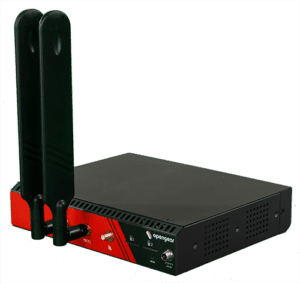
The OM1200 Operations Manager was specifically designed for secure deployments at the branch and far edge, providing resilience via LTE. Placing a console server at every location, engineers have the presence and proximity to their distributed network, without ever having to step on-site.
The OM1200 allows engineers to:
This model supports 4 Serial, 8 Serial and 8 Serial/Ethernet port combinations, with options for 4 and 8 port switches built-in, as well as SFP ports.
The OM2200 Operations Manager also combines the advanced capabilities of Smart Out-of-Band and the flexibility of NetOps. Uniquely configured for high density locations and data centers, it has multiple regional options for dual AC and DC power.
The OM2200 allows engineers to:
This model supports 16, 32, 48 Serial port and 24 Serial/24 Ethernet mixed port modules.
Our award-winning Lighthouse software manages all your NetOps console servers and provides access to your console ports via connected appliances at each location. As an API-driven platform with an HTML5 interface, it gives secure access to remote networks regardless of how they’re connected or how a user interacts with the system. In combination with NetOps Console Servers, Lighthouse can push and manage Docker containers to each remote location to provide additional functionality and automation.
You can leverage an added security layer and permission controls with integrated authentication via SAML (Okta, OneLogin, Auth0 and Azure Active Directory and Authentication, Authorization, and Accounting (AAA) protocols (TACACS, RADUIS and LDAP).
When deployed across a distributed enterprise of data centers and edge locations, Lighthouse is the control center of a comprehensive Network Resilience Platform, independent of the production network.
Available in two editions:
Lighthouse Enterprise
Lighthouse Enterprise: Automation Edition (LH:AE)
LH:AE support is extremely flexible and has endless value to you. New to NetOps? We’ve got you covered. Our devices complete the set up and distribution of Secure Provisioning. Are you an advanced automation user? Leverage our management plane to push your automation to the edge using GIT and YAML. Triggering automation updates and changes wherever there’s a NetOps Console server in proximity to the edge, you won’t have to relay anything manually.
Lighthouse is packed with automation benefits like the distribution of firmware, image and configuration files, Python scripts, Ansible playbooks, SNMP traps and APIs. It can also provide direct connections to IP addressable devices via HTTP, HTTPS, SSH, TELNET, VNC, RDP. And, there’s more. Lighthouse is also your cellular signal tester. It’ll test the cellular capabilities of every deployed Opengear device to ensure your Out-of-Band implementation will be up and available at those most critical moments when your network is in trouble. It’s in those times you want to be sure your Smart Out-of-Band solution has been thoroughly and repeatedly tested. This ensures the best signal possible when called upon to provide that secondary channel of communication into your remote network.
Providing 2 Factor Authentication (2FA), additional security via Lighthouse, there’s no limit to your NetOps and NetDevOps capabilities. We understand the importance of security. Sure, we offer UEFI BIOS, just like some of our competitors, the most common form of motherboard firmware out there today to support larger storage requirements. But you probably aren’t concerned with something this minute. What do you care about? You care that our NetOps Console servers are built with most stringent security standards, ensuring that IT and network services are always available to improve efficiencies.
One of the reasons why we’ve remained the market leader is because of our laser focus, specific to Smart Out-of-Band and secure, remote access. We’ve never claimed to be a gateway router manufacturer, network engineers come to us for our network resilience and automation expertise.
Read our Infographic: “The Tale of Two SD-WAN Deployments”
The new flexibility enabled by SD-WAN brings with it a heightened need for remote engineers to manage on-site devices. The sophistication of the SD-WAN hardware introduces points of failure, which without the proper solutions in place, can become large-scale disruptions.
If you’re like most organizations using SD-WAN for more secure network connections at a lower cost, you need a NetOps Console Server for seamless deployments. To provide benefits such as secured connections of standard broadband via a dynamic VPN tunnel, reduced hardware costs and quick deployments of new networks. The local routers in SD-WAN deployments have become more sophisticated, posing challenges to network connectivity.
SD-WAN isn’t a standalone solution. During the initial rollout or migration from the previous WAN, an organization’s network can be left unstable with frequent updates and glitches. Single points of failure can result in potential downtime.
These points of failure include:
Trust your SD-WAN deployment to Opengear. The OM1200 just recently won the Internet Telephony 2022 SD-WAN Implementation Award. Smart Out-of-Band supports SD-WAN deployments, allowing engineers to access the network at all times.
Several suppliers offer embedded solutions. The main differentiator when it comes to cellular out-of-band solutions is the utilization of pre-packaged cellular boards vs. custom-built modules.
Opengear was the first console server company to have internal, certified cellular. Opengear appliances have a global module, specifically engineered to provide cellular Out-of-Band capabilities. They’re purpose-built from individual components which uniquely provides Smart Out-of-Band with an integrated 4G-LTE cellular capability. These have been certified by the Big 3, AT&T, Verizon and T-Mobile, and more as a complete end device. Most competitors use pre-packaged cellular boards, such as Socket Modems, that were never designed to support critical infrastructure. These types of modems are better suited for ad-hoc installations and small projects. They were never truly integrated into the end device, causing decreased speeds and unreliable services. The Carrier may certify the module from the original manufacturer but will not test the performance of the overall OOB device.
Limitations of Certified, pre-packaged cellular solutions:
Carrier Certified capabilities:
Our investment in certifications from the Big 3 wireless carriers reassures you that you’re deploying reliable and secure solutions on your network. Choosing Opengear’s Carrier-Certified console servers reduces uncertainty during deployments, with a single point of contact for any cellular-related issues.
This just gives you another reason to choose Opengear.
Although the NetOps Console Servers are in high demand, leveraging our mature channel relationships, we’re ready to serve your needs with as little lead time as possible.
18 years in business. Seven best in class products. Well-established, Two-tier distribution and reseller partner network. One comprehensive platform. The numbers speak for themselves, need we say more?
Opengear products are often imitated, but never duplicated. The NetOps Console servers provide everything needed for your automation, orchestration and security needs.
Download our white paper today!
Transportation organizations are key components in the supply chain, facilitating the global economy by ensuring goods and people get to their appropriate destinations on time. This new digital age has brought with it an increased demand for services beyond a person or businesses immediate vicinity. This has caused companies within the transportation industry to continuously deploy new technologies to keep up.
The airline industry has specifically begun investing in digital initiatives to open new revenue streams, increase productivity and improve customer satisfaction. According to a recent study, the airline digitalization market is expected to reach approximately $35 billion by 2030.[1] Many have already committed to migrating to the cloud within the next decade. However, most airlines are grappling with infrastructure that fails to meet modern requirements and those needed for transformational efforts. These complex ecosystems require a resilient network to facilitate all of their applications.
The air cargo airline industry has lacked effective integration digitally. Preventing stakeholders from efficient collaboration, this has created a reliance on manual processes resulting with little visibility for customers.
As passenger revenue decreased due to travel restrictions, cargos greatly increased. Air cargo is now making considerable contributions to airlines bottom lines, with some trade routes between individual regions seeing freight rates increase by 100%. As demand continuously grows, the industry is optimizing operations by deploying new technologies.
For example, most cargo airlines have relied on long term contracts and bulk allocation models for sales. This is a high friction process, but spot bookings are now on the rise, making up almost 90% of individual reservations for airlines. This has made it crucial that airlines have the capability to price dynamically using digital platforms. Allowing e-sales alone is expected to ensure optimal returns of an estimated 12% in the first year[2].
To achieve an air cargo supply chain that’s fully, digitally connected, airlines and international trade organizations are collaborating to deploy new technologies. These innovations are helping to address challenges by:
A preferred method of transportation because its security during cargo moves and fast transit times, the industry is already underway, deploying new initiatives for supply chain visibility. Some of these include:
All these initiatives require a connected network. Having secure, always-on access to infrastructure is a necessity to ensure effective communications and operations with all of these platforms.
Dealing with distributed networks, harsh environmental conditions and a continual flow of data, airlines need always-on access to simplify network management. Enabling secure, remote management, these organizations have the ability to ensure business continuity, even during a disruption.
Airlines demand complete confidence in the networks that power their projects. Specifically, regarding security, compliance and performance, engineers rely on a multitude of applications, including Transportation Management Systems (TMS). They are constantly adding new ones to the network. These systems create a standardized process, allowing operators to manage all transportation activities across the entire organization and supply chain. However, without an independent management plane, any type of network outage will deny access to a TMS and completely disrupt overall operations.
A Smart Out-of-Band network allows airlines to separate and containerize functions outside of the management plane. Operating free from the primary in band network, when combined with Failover to Cellular™, these businesses have always on availability to maintain visibility of their entire network, even during an outage. Engineers will ensure business continuity at all times with the capability to access and manage remote infrastructure. They will have the critical ability to remotely identify and remediate network issues, without interrupting operations.
[1] https://www.frost.com/news/press-releases/global-airline-digitalization-gains-traction-thanks-to-digital-technologies-and-data-analytics/
[2] https://aviationweek.com/air-transport/how-e-commerce-fueling-air-cargo-growth
Rapidly evolving customer expectations, growing market pressures and overall organizational goals have fueled digital transformation in every industry. It’s projected that by 2025, global spending for transformational efforts is expected to reach $2.8 trillion.[1] Digital transformation is the process of leveraging new technologies, across all areas of an organization, to optimize operations and drive growth by providing new value to customers.
Digital transformation evolves the way an organization conducts business, enabling them to transition from outdated processes and legacy equipment with the use of new technology. Best thought of as a continual adaptation to a constantly changing environment, it’s a journey that strives towards optimization across processes, divisions and the business ecosystem as a whole. There’s many components and intermediate goals along the way. Rarely is there an end to digital transformation, it’s a way to meet strategic objectives and embrace a more agile operative method. It’s also critical in turning marginal into exponential growth.
It allows businesses to improve in three key areas:
There’s a variety of technologies powering this digital transformation journey. Advancements in networking, hardware, software have all provided organizations with the ability to implement a digital strategy.
Cloud Computing: Organizations are moving from legacy systems to cloud based applications. Providing flexibility and scalability to meet business demands, data is accessible from any device.
Artificial Intelligence: AI can support many business needs including, automating processes, engaging with customers and enables smart decision making based on the large amounts of data it continually collects.
Internet Of Things (IoT): These sensors and software are being used in almost every industry. Continuously connecting, exchanging and analyzing data, businesses are able to leverage its insights. Real-time data is invaluable, helping to improve productivity, increase customer engagement and optimize efficiency.
A digital transformation has many considerations, stakeholders and components to it. Before executing a plan, a strategy must be built.
Assess Current Business Situation
An organization must assess their current organizational structure, everything from their culture to their processes. Conducting a business audit will help key stakeholders understand one of the most critical aspects of digital transformation efforts, what a company’s values are. These values shape what they want to provide their customers and how they want to do that. From there, it’s important to outline current operations, roles and processes. Another significant takeaway is to establish an organization’s weaknesses and anticipate future challenges, like network access.
Determine Goals
To successfully execute a digital transformation strategy, an organization must make sure that the plan they’ve created is aligned with their business goals. It’s the how and why.
Conduct Pilot Testing
For most companies, digital transformation completely overhauls their way of doing business. Processes that may have seemed to work good before may be changed, new teams may be interacting with each other and overall the customer experience will have been altered. Run pilot tests and collect feedback throughout the process. This will help gauge customer feedback before a full roll out, identify bottlenecks and help determine if an organization is ready for full scale implementation.
Create A Roadmap
Executing each previous step will now allow a digital transformation team to develop a strategy on how to overcome challenges and meet goals. Many times, a strategy will begin with considering reframing corporate infrastructure. They also must understand their employees’ current skillset and evaluate if any training is needed to meet the businesses goals. This will help determine the key roles and players at each stage of the journey.
Preparing For Change
Although digital transformation revolves around technology, people play a large and integral role in its success. To successfully execute a digital transformation strategy, employees must feel empowered to embrace change and to work differently. Constant communication and explaining to them the goal of this process is extremely significant. It’s important to understand their concerns, take feedback and encourage them.
 Digital transformation builds bridges between organizations, their technology and customers. These new systems will allow businesses to build a bridge to the future by establishing new networks and ecosystems that will result with new business models to achieve future growth. This new digital world will revolve around data, actionable intelligence and most importantly connectivity.
A connected ecosystem is integral throughout digital transformation. Any type of network disruption will render these applications useless, effecting the organization and customers. During a digital transformation roll out, it’s critical to have always-on network access. The continuous addition of new applications places a strain on the network, which increases the likelihood of an outage. How to access critical applications when a disruption occurs should be one of the main considerations during the strategy phase.
When it comes to network outages, it’s never a matter of if it will occur, it’s just a matter of when and how long it’ll take to recover. Opengear’s Network Resilience Platform ensures that organizations have the connectivity needed throughout their digital transformation journey. Smart Out-of-Band and Failover to Cellular provide secure access to network devices through an independent management plane, the IT team can always access infrastructure, at every site. They’ll have a full view of the network at all times remotely, which gives them the ability to identify and remediate the issue quickly.
Also providing the necessary NetOps capabilities, necessary for many digital initiatives of future thinking organizations, Opengear solutions also enable secure provisioning of new remote sites. Something many businesses will constantly be undertaking, like in retail, finance and hospitality.
Opengear is here to help facilitate your digital transformation, on Day One, during an outage and every day.
[1] https://www.idc.com/getdoc.jsp?containerId=prUS48372321
Click the image to download.
Another year is in the books and looking back, 2021 didn’t have many dull moments. Bennifer reunited, we learned most of us would never want to become a contestant on Squid Games and TikTok became an authority on pasta. We’re sure that 2022 will be another exciting year, one filled with new technological advancements and innovations to address the evolving needs of enterprises.
Here’s predictions from the Opengear team on what 2022 has in store for networks.
Many organizations have moved to a hybrid working environment which can create specific network challenges. Companies have had to become more agile on the fly and are having to reevaluate their infrastructure to support this ongoing trend. Businesses need to have a network that facilitates collaboration and productivity no matter where an employee is located. IT teams have to be prepared to easily adapt. Successfully doing so will entail bringing together traditionally disparate networking domains such as access, IoT and physical security. Networks need to be secure, connected and scalable delivering a consistent experience to every employee, wherever they may be working. A Smart Out-of-Band solution ensures that critical applications are always accessible to employees, because when a disruption does occur, network reams are able to identify and remediate the issue remotely, without impacting operations.
Network outages are on the rise with downtime disrupting some of the largest organizations in the world in 2021. Some of the biggest threats to uptime for enterprises will be software upgrades gone wrong, cyber attacks and misconfiguration errors like mistakenly writing a configuration file. However, organizations that deploy Opengear solutions have the ability to manage their infrastructure remotely and securely, using an independent management plane. This allows engineering teams to quickly roll-back or undo these breaking changes, minimizing downtime.
There has been a dramatic shift when it comes to implementing a NetOps approach for growing, virtualized environments. Enterprises need to be able to automate processes, for things like securely provisioning new sites or even to test network processes to check latency. Companies will need tools that provide automated insight into how their remote sites are functioning at any given time. Two advantages of NetOps are upskilling and business efficiency. Employees will have access to more advanced technologies, streamlining operations and organizations can ensure critical business continuity.
The adoption of IoT is being driven by overall business goals. This type of technology opens up a range of possibilities for organizations to digitize processes and activities. However, as more organizations leverage IoT, a large strain is place on the network. Requiring constant connectivity, any kind of network outage will affect the usage of these devices. Failover to Cellular provides always-on network connectivity using 4G LTE when the primary link is unavailable. Enabling continued internet access ensures IoT devices can be used.
Click the image to download.
We’ve already seen a massive migration to the edge. It’s expected that by 2025, 75% of data will be processed there. The next generation of infrastructure for the internet and the cloud, there are many drivers of this move. As devices continue to get smarter, enterprises need the ability to capture data securely, reliably and securely. More critical applications are placed at the edge and Smart Out-of-Band allows businesses to manage infrastructure at remote sites. Providing the same resilience, scalability and connectivity found in the data center.
Enterprises need to have a futuristic mindset. They must address current organizational challenges and goals, while anticipating what will be needed in the future. Continuously evolving demands and markets have made business agility critical. As new technologies become available, enterprises need to be able to confidently deploy them. Opengear provides the network resilience needed for all of your 2022 goals and beyond.
 Ransomware is malicious software, also known as malware, that can encrypt an organization’s critical data, denying access to entire systems, including databases, files and applications. Quite literally holding this information hostage, as the name would imply, enterprises then must pay a ransom in order to regain access.
Designed to paralyze an organization, quickly spreading across private networks, this growing threat is predicted to cost organizations $20 billion this year.[1] These types of attacks have grown this year by 64%. It only takes one employee opening an email to compromise an entire organization and once hit, many enterprises aren’t able to recover.
Ransomware attacks usually gain access to a computer through a phishing campaign, where a victim opens an email and downloads malware mistakenly through an email attachment or a link. An attack vector then establishes itself on the device. If the exploit is successful, it can attach a malicious application to the infected system. The application can then search for valuable files. Word documents, database files and images are some of the the most sought after, once they’ve been found, they encrypt them. Some of the most dangerous attacks exploit a system and its network vulnerabilities, causing it to spread across entire organizations. Using asymmetric encryption, a pair of public-private keys are created to encrypt and decrypt a file. Created by an attacker for each victim, the private, decrypt keys are the only way to access the files and is only given once the ransom is paid. Victims are usually given 24-48 hours to do so, or the files will be lost permanently. If a data backup isn’t available or it was encrypted as well, organizations must pay the ransom to get the files.
Ransomware variants are constantly evolving and because it’s straightforward to execute, has become more prevalent. There’s always new techniques being used to try and get access to data, hackers just have to look around for organizations without strong network security protocols.
There are many different types of ransomware, these include:
To help prevent ransomware attacks some best practices to employ are:
Opengear devices aren’t cyber security solutions but when a breach does occur, they provide enterprises with full visibility. Lighthouse Enterprise enables organizations with the ability to control every part of a network through a central hub.
During a breach, it allows organizations to:
When a ransomware attack occurs, many organizations aren’t able to reestablish themselves. Paying a ransom doesn’t prevent attackers from attempting to hit an organization again or necessarily ensure a successful recovery of data. The vast amount of enterprises that have been targets of these attacks have experienced significant impacts, including loss of revenue, damage to brand reputation and have been the cause of workforce layoffs.
A recent research report found[2]:
Opengear provides enterprise-grade security for core and edge sites. To decrease disruptions and safeguard customer information, our solutions have the most stringent encryption features built-in to ensure the latest compliance standards are met. Be ready for any threat with a resilient network.
[1] https://www.cybereason.com/blog/report-ransomware-attacks-and-the-true-cost-to-business
[2] https://purplesec.us/resources/cyber-security-statistics/ransomware/
Something went wrong. That’s the message that billions of users saw last week when the world’s largest social media giant went dark for hours.
What could’ve just seemed like a minor inconvenience for everyone that likes to scroll through social media for a few minutes during the day, actually had much larger repercussions. Enterprises use these platforms to stay connected. Advertising is one of the biggest draws. The outage affected the more than 10 million brands and businesses who use the platform to promote their products. Organizations using the tech titan’s advertising services reported their sales dropping between 30% to 70%, compared to the same period a week earlier.1
Network outages aren’t uncommon, but what caused this disruption and how could it have been prevented?
The outage was triggered by a system that manages their global backbone routers that coordinate network traffic between their data centers. It connects all its computing facilities together. As you can imagine, this consists of thousands of miles of fiber optic cables all over the world. During a routine maintenance job, a faulty configuration change occurred. A command was issued which caused a complete disconnection between their servers, data centers and the internet… that sounds bad, but it gets worse.
This faulty configuration change also blocked the ability of devices and employees to communicate, creating a cascade of network failures. Their BGP routes for DNS nameservers were withdrawn making it seem like their domains didn’t exist although those servers were still operational. This resulted with internet traffic not being able to resolve URLs or making routing decisions. This still sounds bad… and it still gets worse.
The tech titan’s data centers couldn’t be accessed because their networks were down. Their loss of all DNS broke the internal systems and many of the tools they’d use to try remediate the outage. Having their primary and Out-of-Band networks down, engineers were sent onsite to debug the issue, but like many employees of the social media giant, the disruption also caused them to be locked out of all buildings. Then once they were in, there’s many security layers that make it difficult to modify hardware, even once they can be accessed physically.
After 6 hours and about $100 million in revenue lost, the social media giant was back online, but this outage could’ve been resolved a lot quicker with the Opengear2.
When a disruption occurs, engineers need remote visibility of their entire network. Not being able to log on or be able to even badge into their buildings was a major challenge. This could’ve been overcome by using an Opengear device with Smart Out-of-Band and Failover to Cellular.
Providing continued internet connectivity for remote LANs and equipment using highspeed 4G LTE once the primary link is unavailable, Failover to Cellular automatically activates a secondary connection. This re-establishes inbound and outbound network access without manual intervention. Once failover is enabled, Opengear devices are able to detect failures sending ICMP ping requests from the primary network interface to a primary and secondary address remotely. If these requests fail, the primary connection has also been deemed as having failed. When the primary connection’s been restored, the devices automatically fail forward and resume normal operations. In this case, restoring access to devices and BGP routes.
The Opengear Network Resilience platform could’ve been leveraged to back up device configuration files prior to making network changes. This would’ve enabled the social media giant the ability to restore the known, good configuration files immediately upon discovering the change had caused the outage. Pushing the saved configuration files from the Opengear device back to the affected equipment would have restored the network quickly.
They’d have another set of tools, on a separate network, to remediate the issue. Having this immediate access would’ve significantly shortened the duration of the outage. The Network Resilience Platform is based on presence and proximity of a NetOps or Smart Out-of-Band console server at every location and is centrally orchestrated through Lighthouse software. Providing an independent management plane, organizations have secure, remote access to all their devices, even during an outage. Engineers can remotely identify and remediate issues.
It can be good to make the headlines, but not for something like this. A resilient network means your customers are always connected. Learn how we can help keep your network up and running because, Opengear means business.
1 https://www.cnbc.com/2021/10/06/facebook-outage-lost-ad-revenue-advertisers-could-seek-refunds.html
2 https://www.indy100.com/science-tech/facebook-losing-money-instagram-whatsapp-outage-b1932252
Download our Research Report today!
Next in our Road to Resilience webinar series is “The New Age of NetOps”, hosted by Roy Chua, Principal at AvidThink, and joining him was Jason Gooley, Technical Evangelist at CISCO, AJ Murray, Senior Network Engineer at Red River and Dan Baxter, Senior Sales Engineer at Opengear. The panel discussed the changing responsibilities of the network engineer and the role that NetOps has played in this evolution. Below are some of the key takeaways:
The road to resiliency is a difficult path to tread, with networks becoming more complex and harder to manage. A key approach to simplifying network management is adopting NetOps, which Jason succinctly described as the streamlining of operations via value-adding technologies such as automation, with AJ concurring and stating that it’s the marriage of the technology with the business.
Roy gave an overview of the research study by Opengear of network engineers, architects and managers, which found that NetOps is rising in popularity, with 87% of organisations acknowledging increased investment in the past two years. NetOps however has implications for both network and business culture, and delving into these trends is crucial for organisations to truly understand how the approach differs.
Network engineers have historically been viewed as the saviours when something goes wrong in an organisation. The culture around saving the day means that one professional is viewed as the keeper of the keys and steps in when a fault occurs. Roy asked the panel about how NetOps is changing this culture. AJ said that NetOps is enabling more engineers to be daily heroes by saving time for the organisation with automation, and Dan agreed, stating the benefits of removing the dependency on a single hero and covering why this allows others to apply their skills. One such example of automation is management of devices to ensure the manual method of logging in to each device can be avoided. The panel agreed that there’s now more opportunities to save the day in more ways for more people.
Much of the fear around increased use of automation under a NetOps approach is the reduction of responsibility for network engineers in this new culture. If everything is automated, Roy asked the panel as to whether they are a redundant entity. They collectively agreed that this isn’t the case. Dan said that automation actually frees up the time for network engineers to reskill or upskill in other areas of the business, and focus on critical thinking areas where they are better suited. Virtualisation and the move to the cloud previously opened up new job opportunities for skilled professionals, and automation will provide the same in the networking world.
Jason also explained how many engineers are also fearful of NetOps and automation due to a potential lack of understanding of this new approach. Jason said that starting small is the key here, even if it’s something as simple as using a Raspberry Pi at home for them to gain experience in that environment, and will help them make the shift from network engineers to network developers. This also plays into the development of new skills for those in the industry.
Relying on external support such as the technical expertise of Opengear and the helpful engineer community will be key for professionals when adopting NetOps. Dan explained that for young network engineers entering the business, collaboration will be crucial, and the onus will be on leaders to ensure they learn from every aspect of the organisation. The panel agreed that a NetOps culture is more than just integration of new solutions; it’s a mindset among the professionals that work within it. Taking these considerations into account will ensure effective integration of NetOps and enable a smoother journey on the road to resilience.
Missed the live stream of the webinar? Be sure to check out the video here for the full rundown.